




About the Lab
Cells of the immune system continuously monitor and eliminate cancer cells throughout the lifespan of an organism. In response, tumors have evolved mechanisms to evade this surveillance. Immunotherapies aim to interfere with these mechanisms, enabling immune cell‑mediated eradication of tumor cells.
While these approaches have proven effective for some patients and cancer types, the efficacy of even state-of-the-art immunotherapies remains limited. A deeper understanding of immune‑tumor interactions is therefore essential to overcome tumor evasion mechanisms and improve therapeutic outcomes.
The Immunology and Immunotherapy Lab at Technion – Israel Institute of Technology studies the biology, function, and communication of innate and adaptive immune cells in both homeostatic and pathological conditions, with a particular focus on the tumor microenvironment (TME).
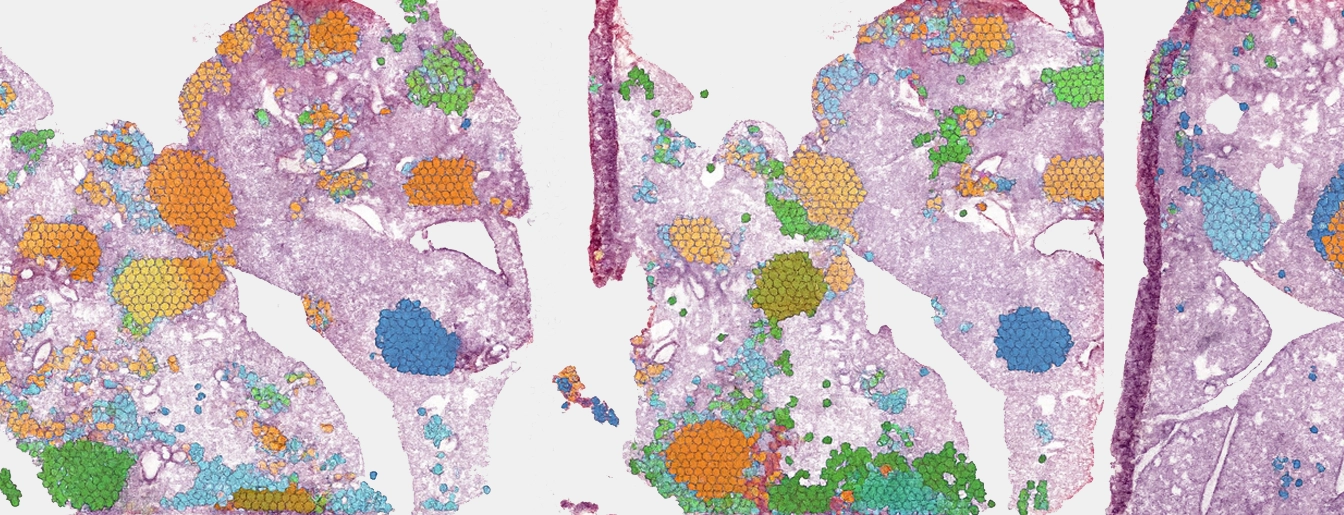
Researchers in the lab comprehensively map the full spectrum of interactions between immunocytes and the TME, a critical contributor to tumor progression. Their work identifies both positive and negative tumor regulatory programs, examines localization‑mediated effects, and maps the genetic and epigenetic mediators that take part in immune‑tumor interplay.
The lab screens candidate targets for combination therapies in vivo, and in tumor slice culture systems that enable parallel testing in fresh mouse and human tissues. Through this work, researchers uncover pro- and anti‑tumor molecular mechanisms that could inform the creation of more effective combination immunotherapies.
Ariella Glasner researched two types of immune cells in cancers during her studies: an innate lymphocyte known as a natural killer cell (NK), because it eradicates tumors and virally infected cells, and a suppressor regulatory T-cell (Treg), which plays a major role in shaping the development of various cancers. Treg cells‘ canonic function is the suppression of immune responses, but they also participate in tissue repair and regeneration. Dr. Glasner observed these cells in various biological contexts, focusing first on basic mechanisms that regulate activity, then zooming in on their roles in the tumor microenvironment (TME).
During her PhD in Immunology at the Hebrew University of Jerusalem, Dr. Glasner made several important discoveries on the role of NKp46 (Ncr1, in mice) in NK cell biology. While it was known that NK cells are key in restricting tumor metastasis, still many of the mechanisms participating in these processes were not fully understood. She demonstrated that NK cells, through NCR1 interactions, remodeled the tumor architecture by upregulating an extracellular matrix protein named fibronectin, leading to a more organized primary tumor structure and reduced metastasis.
Following her PhD, Dr. Glasner received the prestigious Cancer Research Institute Irvington Postdoctoral fellowship to do research in the Immunology Program at Sloan Kettering Institute, NY. There she expanded her expertise in immunology, with a specific interest in cancer immunotherapy. Inspired by her previous discoveries, she studied Treg cells‘ communication with stromal elements (cells that are part of the supporting tissue, or stroma, of an organ) in order to discover new immunotherapies.
At Technion-Israel Institute of Technology, Dr. Glasner’s lab deals with this very novel and important area of study: characterizing the interactions between immune cells and stromal cells in the TME. She brings a unique approach to her lab, namely that stromal cells, which are often overlooked, are critical in supporting tissues (including tumors) and often the manipulation of these accessory cells have a stronger impact on the tumor than targeting only cancer or immune cells. The networks formed between immune cells and their tissues of residence are complex. Studying the pro- or anti- tumorigenic functional outcomes of these interactions could help discover new candidates for combination therapies.

